Food Security and Livelihood
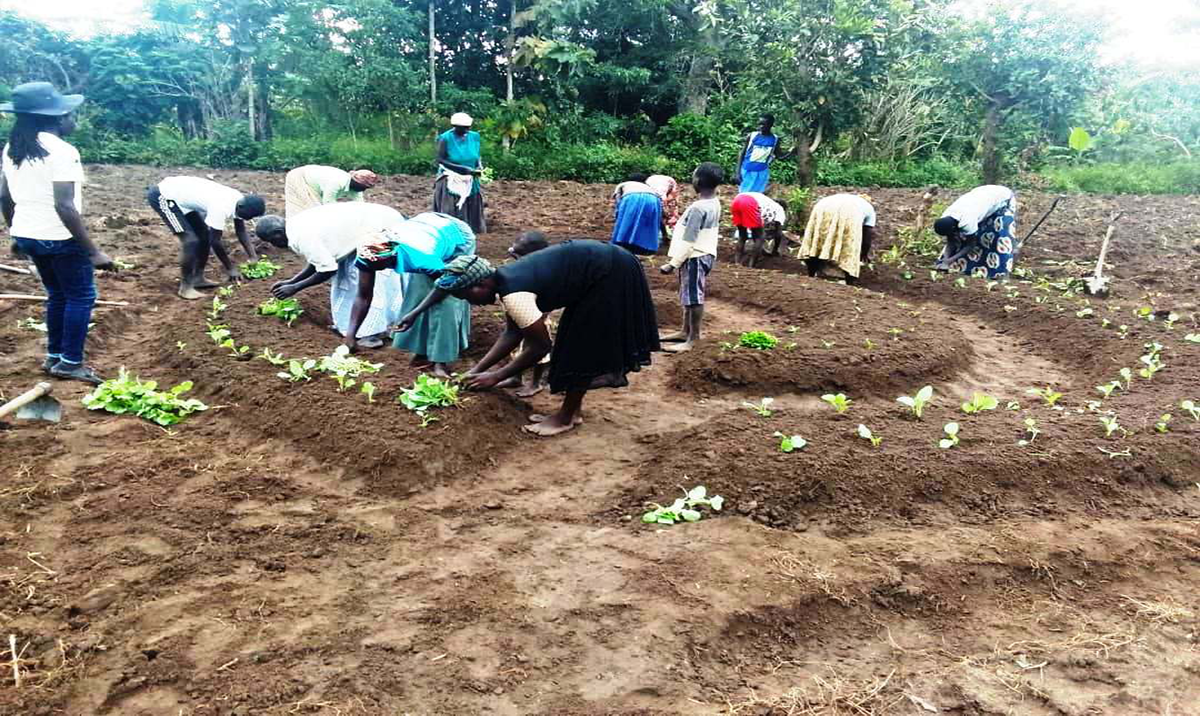
Northern Uganda is predominantly an agricultural region where most households depend on crop farming,
livestock rearing, fishing, and small-scale trade for their livelihoods. Major food crops include maize,
millet, sorghum, cassava, sweet potatoes, beans, groundnuts, and sesame.
The region has historically been
considered one of Uganda's key food-producing areas.
However, decades of armed conflict, particularly the Lord's Resistance Army (LRA) insurgency,
disrupted agricultural production, displaced communities, and weakened local economies. Following the return of
peace, many households resumed farming, and agriculture remains the backbone of livelihoods and food security.
Health & Nutrition Programs
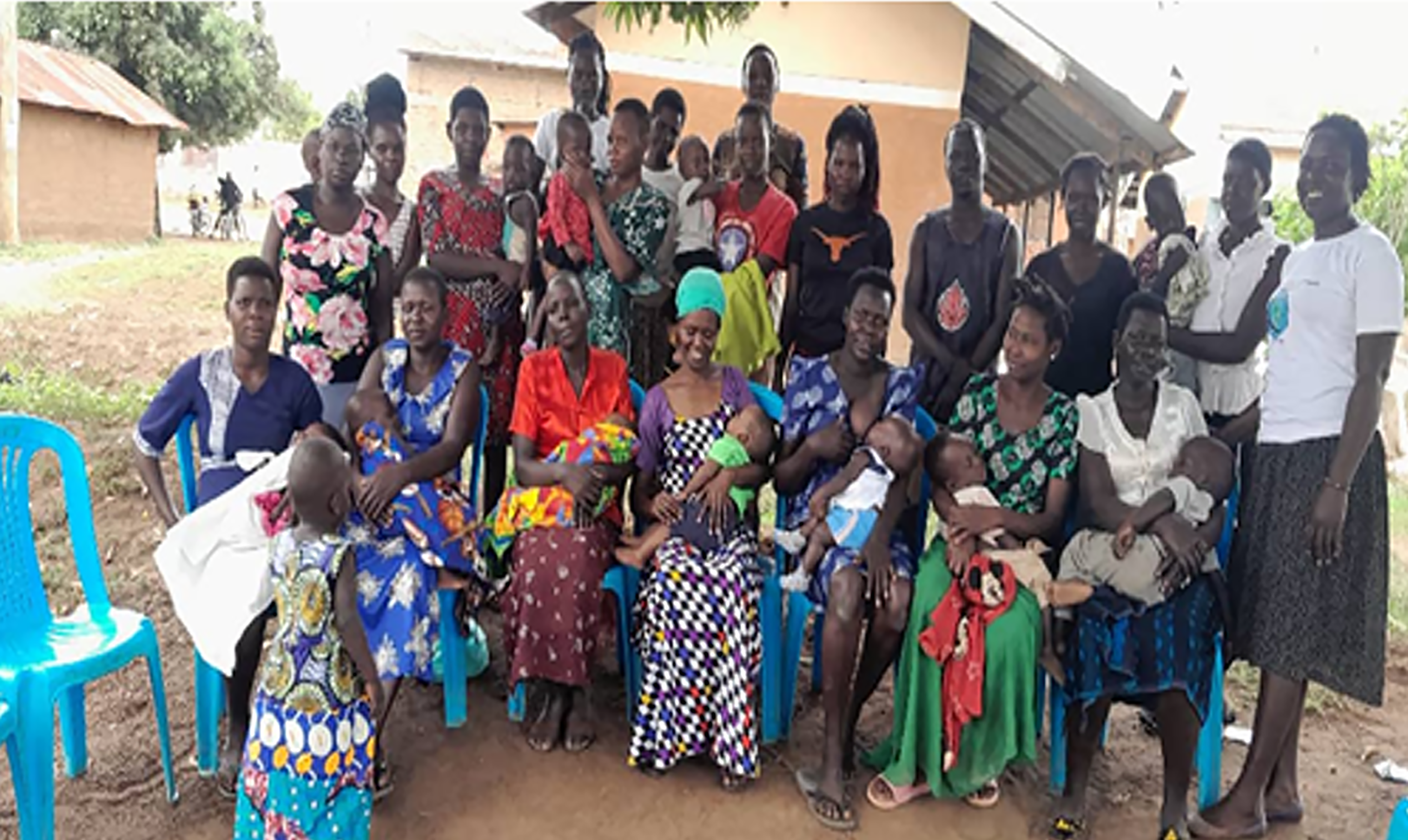
Northern Uganda, particularly the Acholi, Lango, West Nile, and Karamoja sub-regions,
experienced more than two decades of armed conflict, especially the insurgency led by the Lord's Resistance Army
between the late 1980s and 2006.
The conflict displaced millions of people, destroyed health infrastructure,
disrupted health services, and led to severe shortages of health workers. Following the restoration of peace
around 2007, the government and development partners invested heavily in rebuilding health facilities,
strengthening health systems, and improving access to essential health services.
General Protection and Gender-Based Violence (GBV)
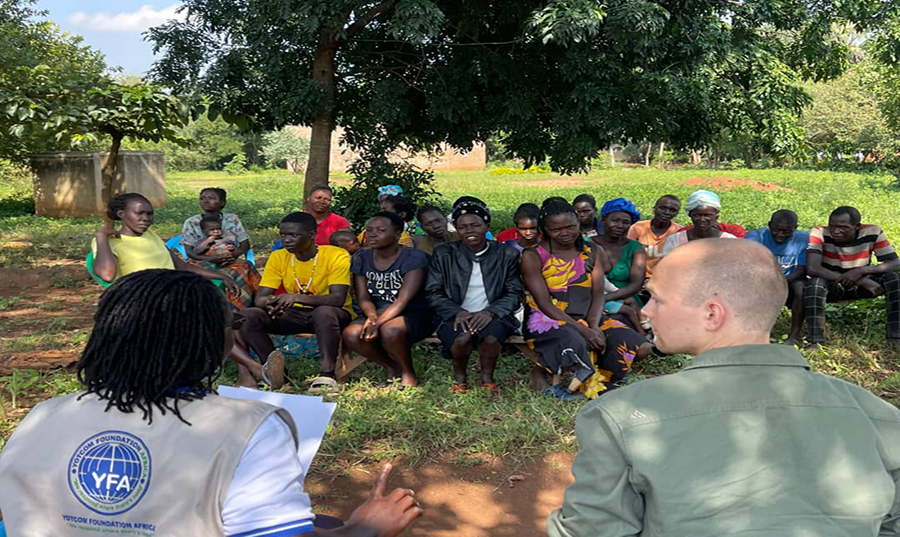
Northern Uganda has experienced decades of conflict, displacement, poverty, and humanitarian crises that have
increased protection risks for vulnerable populations. Although peace has largely been restored since the end
of the conflict, many communities continue to face protection concerns related to poverty, inequality,
child protection, land disputes, and gender-based violence (GBV)
While Northern Uganda has made significant progress since the end of armed conflict, protection concerns and gender-based violence
remain important challenges.